
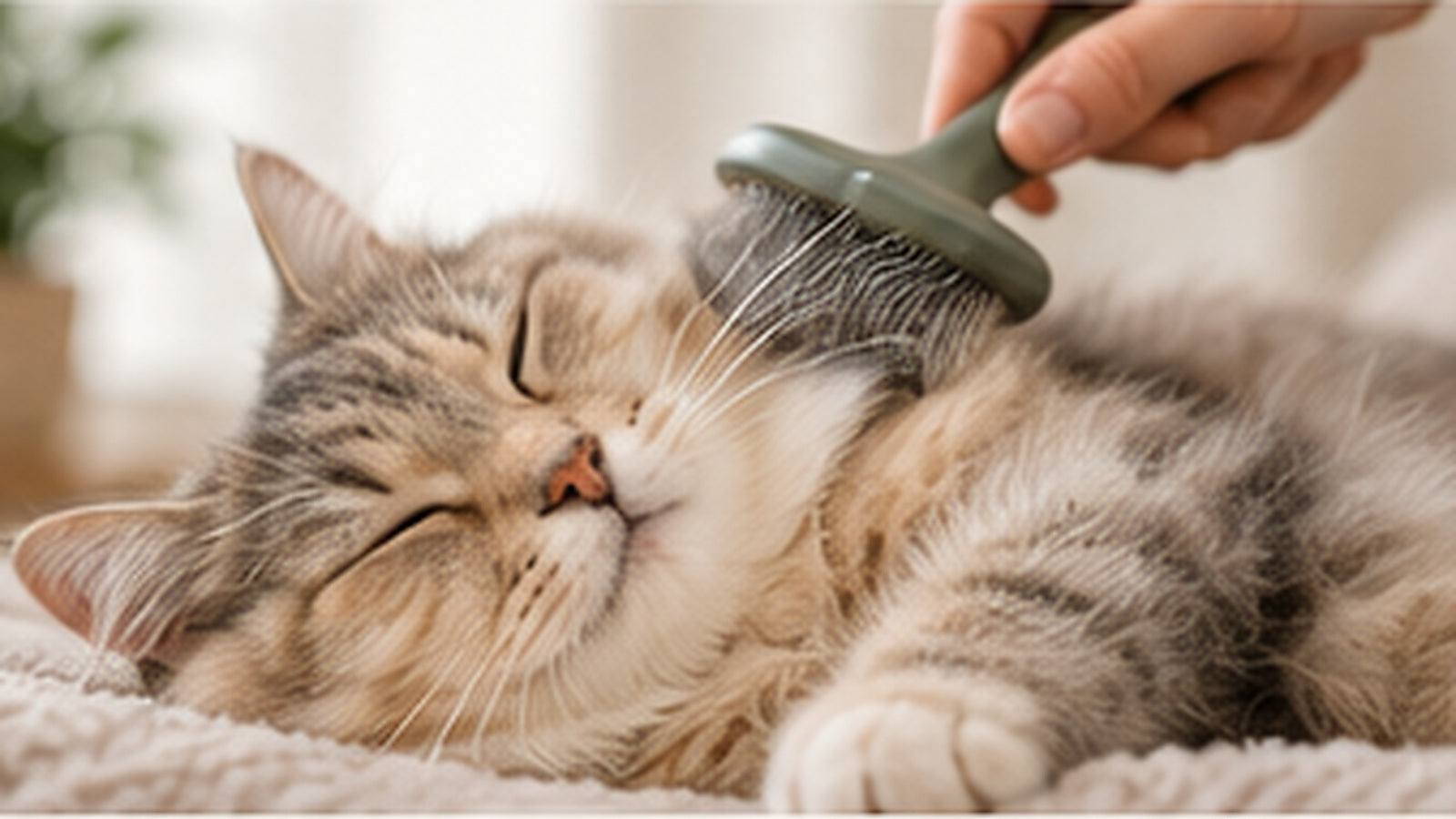
A Simple Guide to Brushing & Managing Pet Shedding at Home
If you share your home with a cat or dog, you're probably familiar with finding a little fur on your favorite clothes, sofa, or freshly cleaned floors.
Shedding is a natural part of life for many pets. While you can't completely eliminate it, a consistent brushing routine can help manage loose hair and keep your pet's coat comfortable.
The best part? You don't need an elaborate grooming setup to get started.
Here are some simple ways to make brushing easier for both you and your pet.
1. Understand Your Pet's Coat
Not all pets have the same grooming needs.
Short-haired dogs and cats may need less frequent brushing than long-haired breeds, while pets with thick double coats often require special attention during seasonal shedding.
Your pet's breed, coat condition, age, and comfort level all influence the best grooming routine.
Choose tools and techniques suited to their individual coat type.
If you're unsure, a professional groomer can help you find a suitable approach.
2. Choose the Right Grooming Brush
The right brush can make a noticeable difference in your grooming experience.
A gentle grooming brush may help remove loose hair and keep everyday coat maintenance manageable.
For pets with longer or thicker coats, you may need a different tool to work carefully through tangles.
Look for comfortable handles, appropriate bristles, and a design that gives you good control.
Avoid applying excessive pressure or repeatedly brushing the same sensitive area.
Shadique Tip: A grooming tool should feel comfortable for your pet, not just convenient for you.
3. Make Brushing a Positive Experience
Some pets love being brushed. Others need a little time to adjust.
Start with a few gentle strokes while your pet is relaxed.
Offer praise and rewards, and allow your pet to take breaks.
If your cat walks away or your dog becomes restless, don't force the session.
A short, positive experience is more valuable than completing a long session that leaves your pet uncomfortable.
4. Brush Gently and Follow the Coat
When brushing, work carefully in the direction of hair growth.
Pay attention to common tangle areas, including behind the ears, around the collar, and along the legs.
Never pull forcefully through knots or mats.
For severely tangled coats, consider professional grooming rather than attempting to remove tight mats at home.
Regular brushing can help collect loose fur before it ends up around your living space, but it won't stop normal shedding completely.
5. Keep Loose Fur Under Control at Home
Pet grooming doesn't end when you put the brush away.
Loose hair may still collect on furniture, clothing, and blankets.
Simple habits can make your home easier to maintain:
-
Brush your pet regularly using coat-appropriate tools.
-
Wash pet bedding according to its care instructions.
-
Vacuum high-traffic areas when needed.
-
Use a reusable pet hair remover on compatible furniture and fabrics.
-
Keep a small cleaning kit near your pet's favorite resting spot.
A few minutes of maintenance can save time later.
6. Know When Shedding Needs Attention
Seasonal shedding is normal for many cats and dogs, but sudden or excessive hair loss deserves attention.
If you notice bald patches, irritated skin, persistent scratching, or a significant change in your pet's coat, contact your veterinarian.
These changes may be related to skin conditions, parasites, allergies, or other health concerns.
Grooming tools are helpful for routine maintenance, but they aren't a replacement for veterinary care.
A Little Care Goes a Long Way
Brushing doesn't have to be another complicated task on your schedule.
With the right tools, a gentle approach, and a consistent routine, everyday grooming can become a relaxing moment of connection between you and your pet.
At Shadique, we believe thoughtful essentials should make caring for the animals you love feel a little simpler.
Explore our grooming essentials and discover a routine that works for you and your pet.
Less loose fur. More comfortable routines. More moments together.